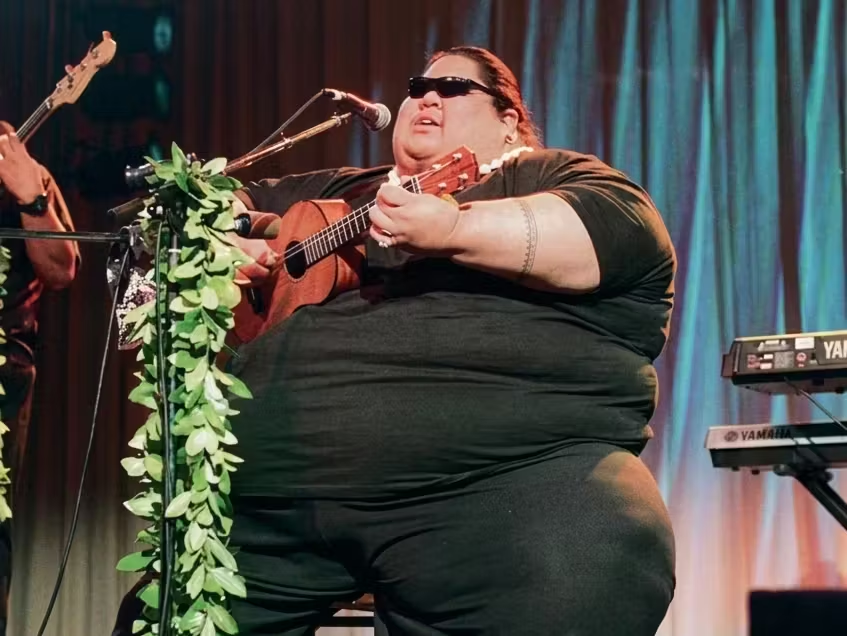
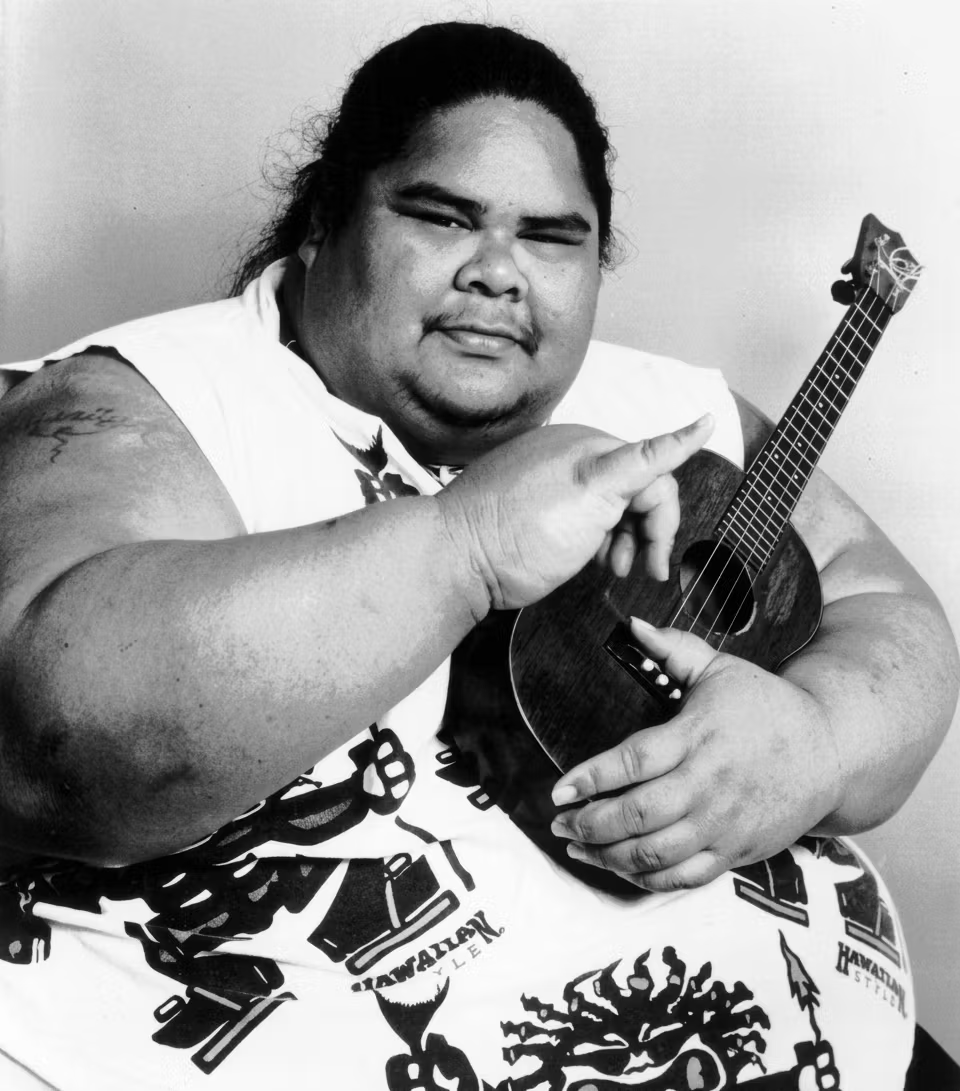
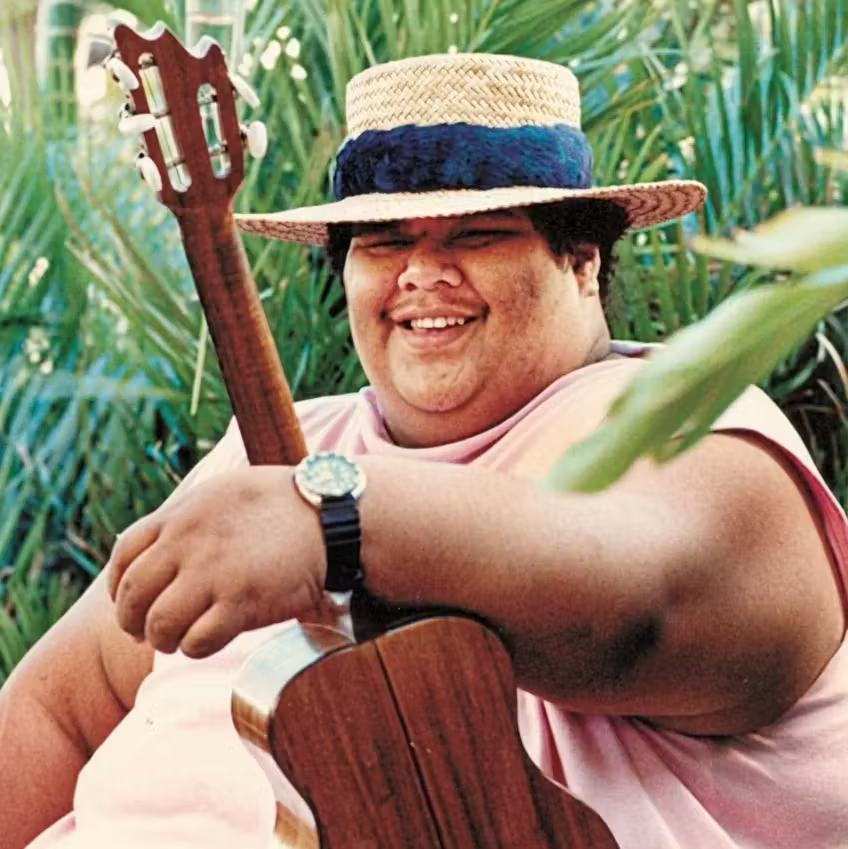
It was three in the morning when the phone rang at a recording studio in Hawaii. On the other end, Israel Kamakawiwoʻole was asking for a simple favor: he wanted to record an idea before it slipped away.
The engineer Milan Bertosa gave him fifteen minutes to get there. Israel arrived with the only things he needed: his voice and a ukulele.
There were no rehearsals or second takes. He sang through his version of “Over the Rainbow”, fused with “What a Wonderful World”, two songs he had not written, but made entirely his own. Bertosa would later remember him as a sweet, polite, and good man. And perhaps part of the magic of that recording lay precisely there: in a voice capable of conveying warmth with extraordinary simplicity.
That recording remained shelved for five years. No one rushed to release it. It was only in 1993 that producer Jon de Mello rescued it to include it on Facing Future.
The song slowly made its way, almost in silence, until it was heard in movies, TV series, and radio stations across half the world. In the recording, you can even hear his breathing in the background. Nothing more than that: a man, his ukulele, and the air moving in and out of his lungs.
Over the years, those same lungs became increasingly compromised. Israel lived with severe obesity that brought increasingly serious respiratory problems that grew increasingly serious, until he died in 1997, at 38.
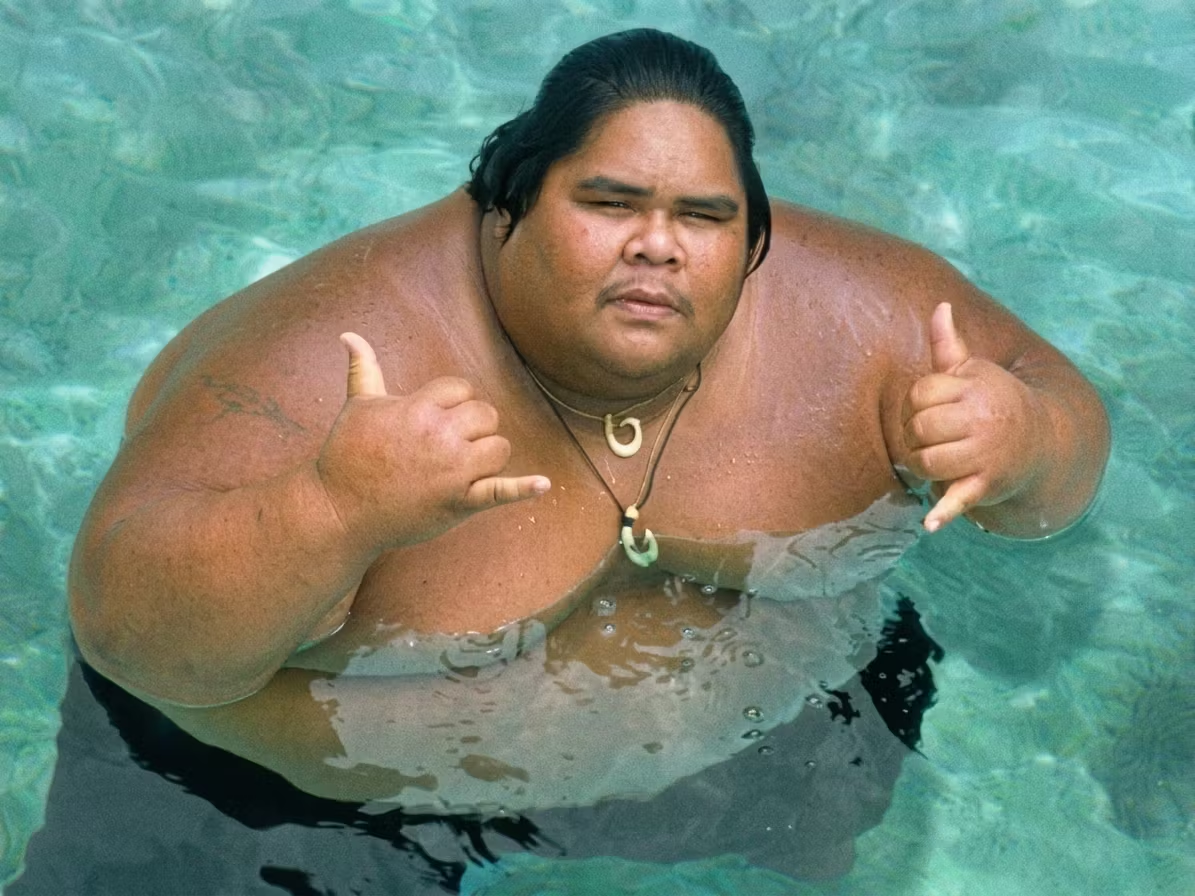
He never got to see what his voice would set in motion around the world. He never knew that, decades later, that recording would be added to the National Recording Registry of the Library of Congress.
But the song kept playing. And it still plays.
Israel died without knowing how far that song would travel. But his voice never stopped traveling. Every time someone hears “Over the Rainbow”, that early morning in 1988 begins again.