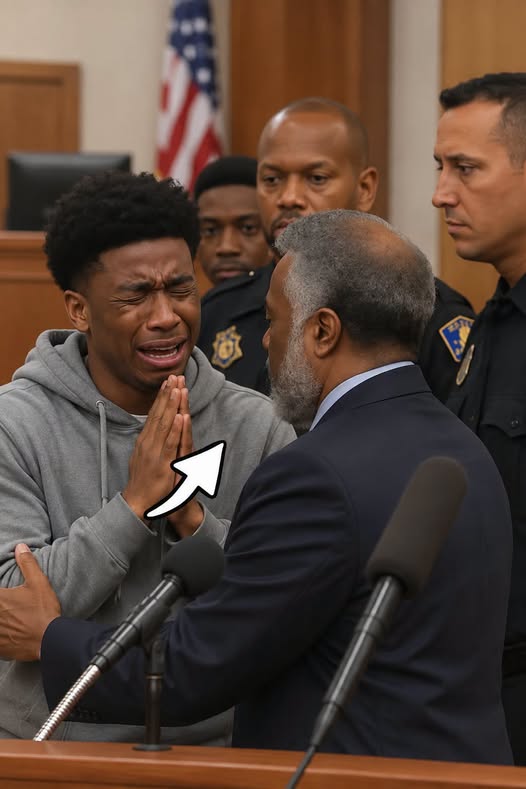
A courtroom gasped, a nation froze, and a single number shattered any illusion of normal justice. Four hundred and fifty-two years. For a teenager. A sentence so vast it felt less like law and more like a declaration that some lives are simply over. Families of the victims clung to it. Critics recoiled. The country watched, split between vengeance and the fragile hope that even the worst among us might still be capa… Continues…
In the weeks after the verdict, the teenager’s name became less important than what he represented. To grieving families, the sentence was the only language big enough to match the scale of their loss. They had buried futures; the court buried his. That impossible number felt like the last remaining shield between their pain and a world eager to move on. For them, it was not cruelty. It was the closest thing to safety they could recognize.
Yet beyond the courthouse, the ruling forced people to confront a harder question: what do we believe about those who do terrible things before they are fully grown? A 452-year sentence does not merely confine a body; it makes a permanent claim about a soul. It says: you will never be anything but what you were at your worst. In that sense, the case became less about one teenager and more about a society deciding whether justice is an endpoint—or a door that, however cautiously, must remain cracked open.