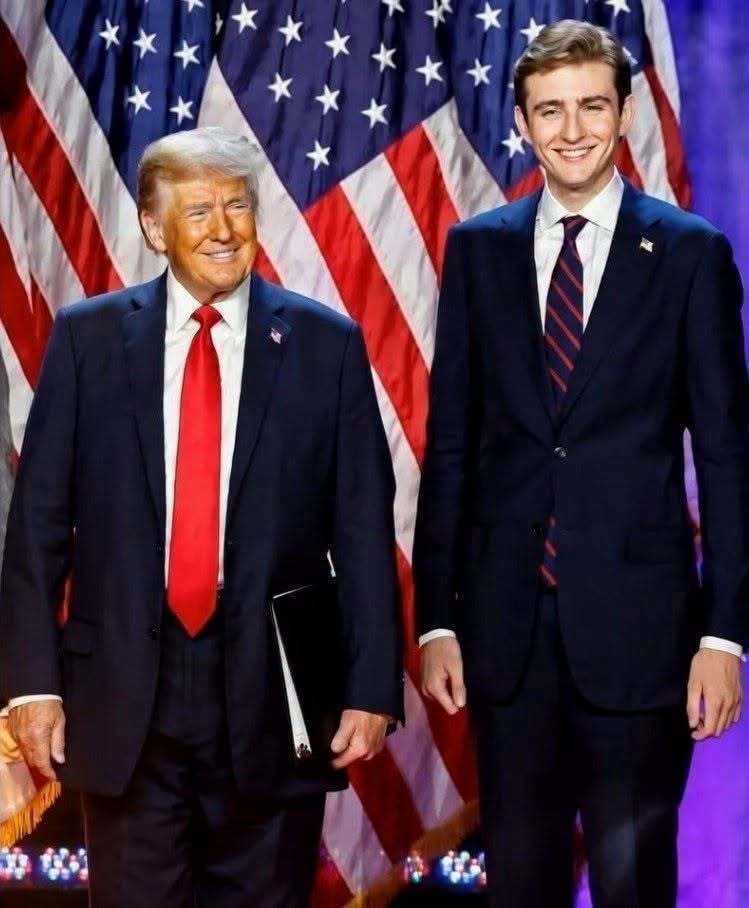
Social media erupted almost instantly with alarming claims that Donald Trump had been rushed to Walter Reed National Military Medical Center, triggering widespread concern and confusion about his health. Within hours, speculation spread across platforms, fueled by fragments of information, misinterpretations, and the speed at which online narratives can take shape. For many observers, the sudden wave of rumors raised an urgent question: was something serious being concealed from the public?
The situation escalated rapidly after the White House made an unexpected announcement at 11:08 a.m. on Saturday, April 4, stating that Trump would not attend any public events for the remainder of the day. While schedule adjustments are not unusual for any president, this particular change stood out. Trump has long been known for maintaining a highly visible presence, especially during weekends often spent at Mar-a-Lago. The abrupt absence from public view immediately drew attention and prompted a surge of speculation.
While public interest in the health of leaders is both natural and important, this case serves as a reminder that not every unexpected development signals a crisis. Sometimes, what appears to be a major event is simply the result of timing, perception, and the powerful influence of online conversation.
In the end, the story is not just about one rumor or one day. It reflects a larger reality: in a world where information moves instantly, clarity must move just as quickly — or risk being overtaken by speculation.