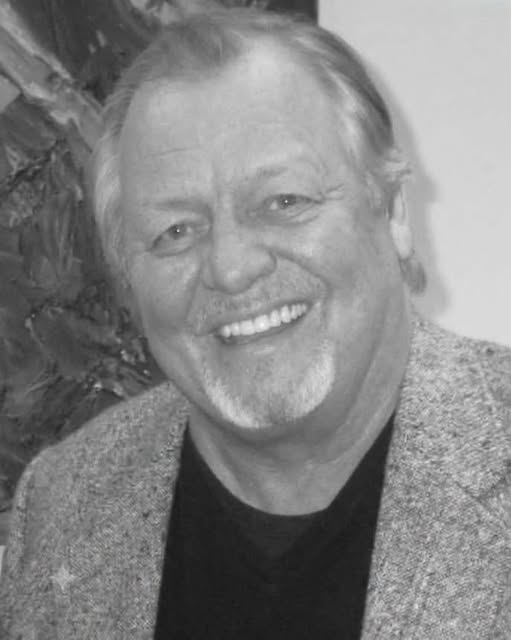
The entertainment world was hit with a devastating blow as news broke that one of the most recognizable and beloved legends in television history has passed away at eighty years old. Millions of heartbroken fans across the globe were thrown into sudden shock as tributes began pouring in for the iconic star who defined an entire era of Hollywood. Known for his timeless charm, magnetic screen presence, and unforgettable roles that captivated generations, his sudden departure leaves an irreplaceable void in the industry. As family members gather in private grief, the shocking final details of his final days have finally come to light!
For millions of households across the globe, David Soul will forever be remembered as Detective Kenneth “Hutch” Hutchinson: the cool, soft-spoken, and remarkably steady counterweight to Paul Michael Glaser’s fiery “Starsky.” Together, leaning against that legendary red-and-white striped Ford Gran Torino, they redefined police procedurals and epitomized 1970s television cool. Every week, families gathered around their living room television sets, completely enthralled by the effortless chemistry, gritty action, and suave style that Soul brought to prime-time television.
Yet, behind that trademark easy charm and dazzling smile was a deeply serious, restless craftsman who refused to let his identity be permanently trapped within a single decade or a single fictional character. Long after the bright lights of Starsky & Hutch dimmed, Soul actively fought against the comfortable trap of Hollywood typecasting. Where other stars might have rested on their laurels, content to live off nostalgia, Soul consistently traded prime-time safety for far riskier, more challenging artistic paths across film, television, and international theater.
His ambition and versatility showed early in his career when he shared the big screen with Clint Eastwood in the classic 1973 thriller Magnum Force, proving he could hold his own alongside Hollywood giants. He went on to star in the acclaimed 1979 television adaptation of Stephen King’s ‘Salem’s Lot, anchoring one of the most terrifying and celebrated horror miniseries in broadcast history. Furthermore, Soul took the music charts by storm, launching a massive international singing career with chart-topping ballads like “Don’t Give Up on Us” and “Silver Lady,” proving that his creative talents knew no boundaries.
In his later years, Soul made a bold pivot away from the traditional American star system, moving across the Atlantic to build a distinguished and highly respected stage career in the United Kingdom. He shocked and delighted critics alike by stepping into unconventional, complex roles—most notably taking on the challenging lead role in the controversial and critically acclaimed West End production of Jerry Springer: The Opera. To the very end of his career, Soul approached acting not as a search for fame, but as an evolving discipline, continually seeking out stories that pushed him far outside his comfort zone.
In the end, however, his greatest and most courageous performance may have unfolded completely offstage, far away from cameras, audiences, and theatrical lights. Soul faced his final illness with quiet dignity, immense grace, and an unshakable inner strength. Surrounded by his devoted family in his final moments, he met his health battles without complaints or public spectacle. His loving wife, Helen Snell, described his final days with profound simplicity and heartfelt admiration, highlighting the brave, quiet resilience that defined his personal character when the bright lights turned off.
David Soul did not pass away as a faded television relic or a forgotten artifact of 1970s pop culture. He left this world as a working artist to his very last breath—a passionate, determined man who spent an entire lifetime boldly rewriting what his own story could be. While the world grieves the loss of a television giant, his rich artistic legacy, timeless music, and iconic performances will ensure that the legend of David Soul continues to shine brightly for generations to come.