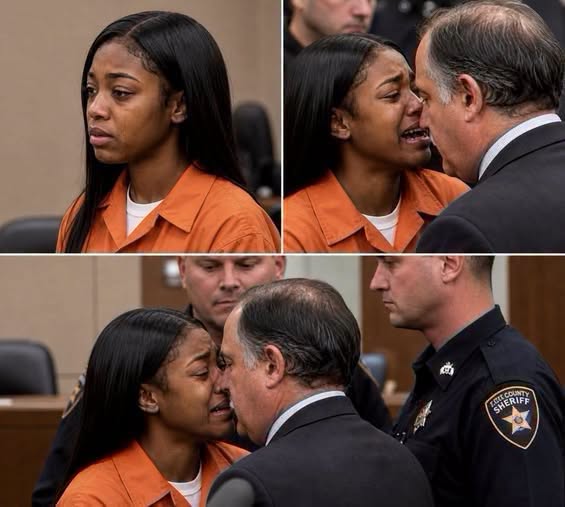
An 86-year prison sentence for a teenage girl is the kind of outcome that stops people in their tracks. It is a number that immediately suggests a case involving extraordinary harm, but it also raises a question that is much harder to answer: how should the justice system treat someone who is still a minor when the offense is extremely serious?
For the families affected, the sentence may represent accountability after life-changing damage. Serious crimes leave lasting pain, and many people believe the punishment should reflect the severity of what happened, regardless of the offender’s age.
What Readers Should Know
There is no easy way to discuss a sentence this long without acknowledging the pain behind it. A severe punishment may feel necessary to some and excessive to others, depending on how they weigh accountability, public safety, and the possibility of change.
The difficult part is that justice is asked to do several things at once: respond to the past, protect people in the present, and decide whether a young offender should ever be seen as capable of a different future.
It is a hard question, and one worth thinking about carefully before reaching a simple answer.